
The tv screen landscape has been shifting quickly over the last several years, and Swedish IPTV (Svensk IPTV ) is currently one of the fastest-growing ways persons consume entertainment. In place of relying on conventional wire or satellite signals, IPTV provides content through the internet. That change has created new observing habits, reshaped market statistics, and exposed options for on-demand access that matches today's lifestyle.
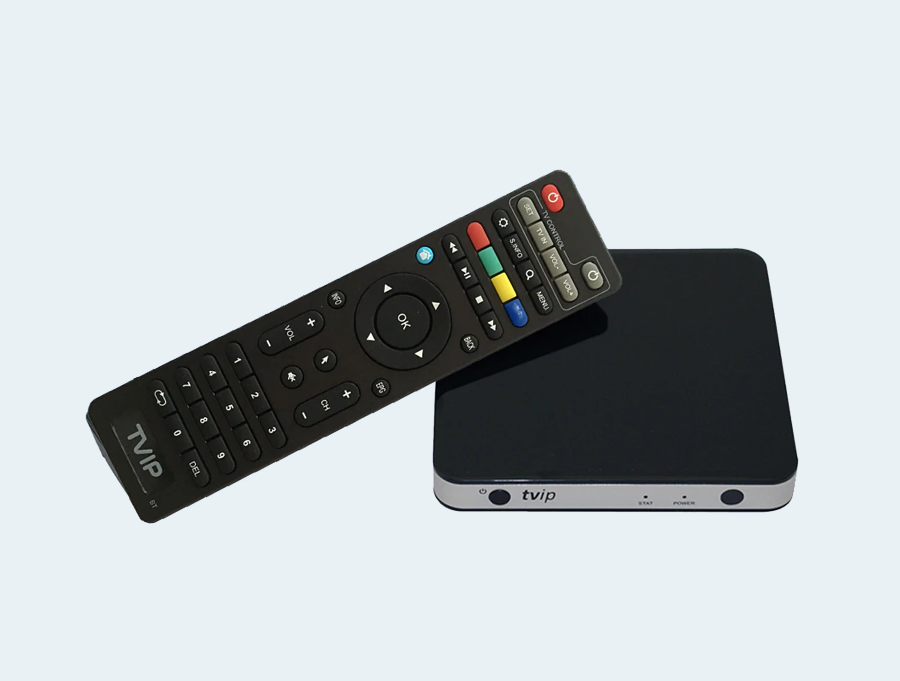
New information shows that more house holds are moving toward internet-based platforms. In the past decade, the percentage of readers choosing on the web solutions over cable has increased dramatically. IP TV has changed into a important aspect in this change, with use prices climbing year following year. Studies reveal that viewers prefer the flexibility of choosing what to view, when to watch it, and on which device.
One of many strongest signals of IP TV development is the number of active consumers worldwide. An incredible number of families have followed this format, and surveys reveal that the development is not delaying down. The interest is not only about stay channels but also in regards to the integration of on-demand line, shows, and personalized content recommendations. The shift toward ease and get a grip on is seen in the numbers.
Another position that stands out in IP TV data is device usage. While traditional televisions remain common, smartphones, pills, and wise products are actually dominating the way in which readers watch. It's built IP TV companies more functional in comparison to standard transmission, because persons no further experience limited by a full time income room schedule. The rise of portable streaming right supports the acceptance of IP TV across different era groups.
Curiously, generational differences are also playing a key role. Younger people are prone to totally reject conventional TV in support of IP TV, while older audiences are adopting it slowly alongside their existing habits. This generational change is expected to accelerate over all usage, pushing IP TV further in to conventional press consumption.
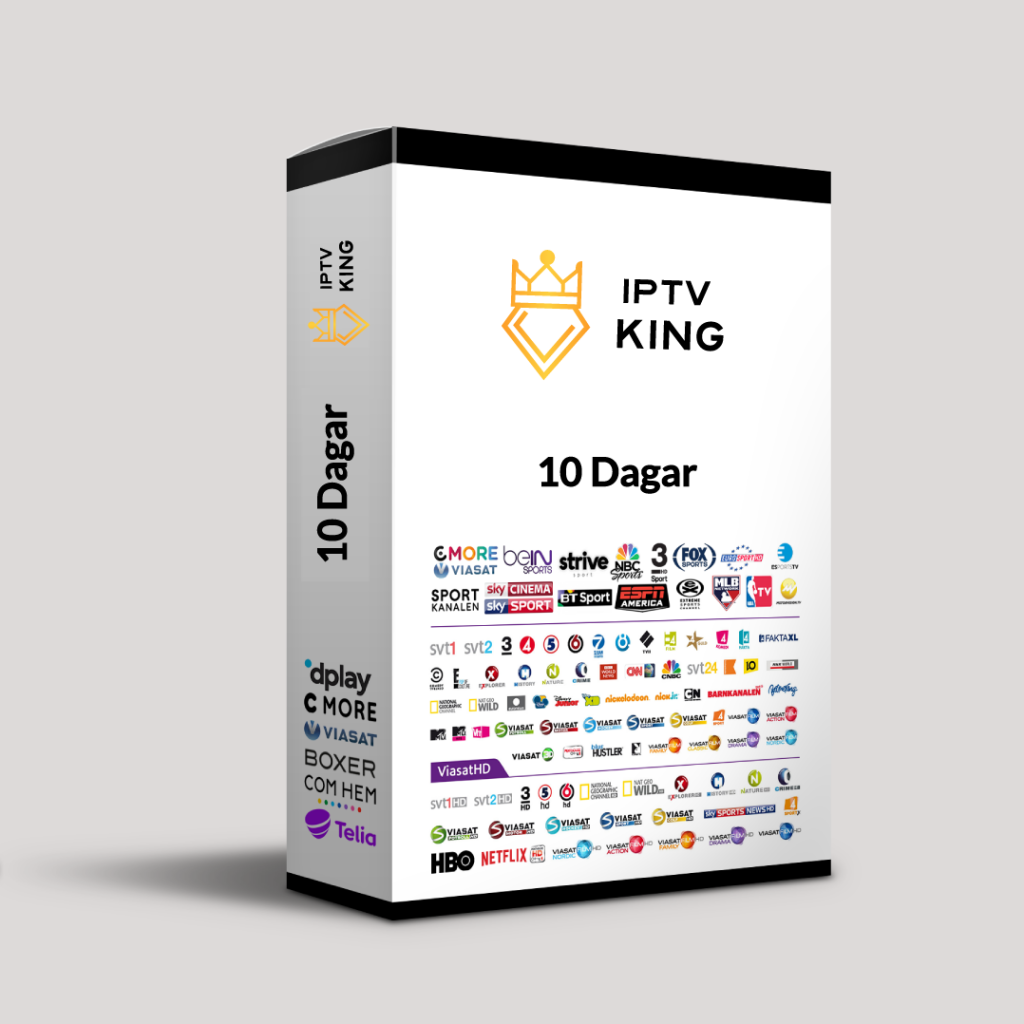
Predictions claim that IP TV may continue to develop at double-digit growth prices around another many years. The significant reasons behind this are affordability, material range, and international accessibility. Unlike older models of broadcasting, IP TV changes to both downtown and rural audiences who have access to stable internet connections. It has considerably widened its reach.
In summary, the data and traits make it clear that IP TV is not only a passing phase. It is reshaping activity behaviors throughout the globe. With variable viewing alternatives, growing content libraries, and climbing person ownership, IP TV has become the brand new regular in exactly how we watch TV.